Wintering: How Seasonal Living Supports Digestion, Mood & Whole-Body Wellness

Winter has a way of slowing us down — whether we want it to or not. The days shorten, our energy dips, and suddenly the idea of salad for lunch feels… absurd. As a functional medicine practitioner in the North East, I see this shift every year: patients feel tired, bloated, emotionally stretched and often guilty for “not keeping up.”
But winter isn’t a failure of motivation.
Winter is a biological invitation.
Seasonal Living: Returning to an Older Wisdom
My therapist actually recommended the book Wintering to me, and it completely shifted how I think about rest, digestion, and the seasons. Katherine May reflects on the need to retreat, rest, and rebuild during life’s colder seasons — both literal and emotional. She describes winter as a time when our bodies and minds naturally ask for gentleness.
This idea aligns beautifully with functional medicine: your physiology is seasonal. Your gut, immune system, hormones and even neurotransmitters behave differently throughout the year.
And when we fight that natural slowing?
We see more anxiety, more cravings, more digestive symptoms, more inflammation.
Why Digestion Changes in Winter
Functional medicine teaches that digestion and absorption is one of the core pillars of health. The gut influences immunity, mood and metabolic function. Most of the body’s serotonin is produced there, and it houses the largest part of the immune system.

Winter disrupts this delicate balance due to:
Lower fibre intake
Reduced sunlight
Higher festive-period stress
Less movement
More infections placing extra demands on the immune system
Your gut is not “broken” in winter.
It is adjusting.
And you can support it by living with the season, not against it.
Eating Seasonally in Winter: What Functional Medicine Recommends
Seasonal eating isn’t a trend — it’s biology. Winter foods support exactly what your body needs at this time of year: warmth, resilience, digestion and immune strength.
1. Root Vegetables for Microbiome Nourishment

Carrots, parsnips, beetroot, celeriac and sweet potatoes are rich in soluble fibres that feed beneficial gut bacteria and support steady digestion.
2. Slow-Cooked Meals for Digestive Ease
Stews, soups, casseroles and broths mimic your gut’s winter need for warmth and gentleness. They’re easier to digest and help calm inflammation.
3. Warming Spices for Circulation & Motility
Ginger, turmeric, cinnamon and cloves stimulate digestive enzymes, support circulation and bring welcome warmth.
4. Fermented Foods for Microbiome Diversity
Sauerkraut, kimchi, kefir and live yoghurt keep the gut microbiome nourished when fresh produce is less abundant.

5. Seasonal Animal Proteins
Oily fish, eggs, slow-cooked meats and bone broth provide amino acids needed for gut repair and immune resilience.
Lifestyle Shifts for a Healthier, Happier Winter
Winter wellness isn’t only about food. Functional medicine recognises the interplay between sleep, stress, environment, movement and digestion.
Here are simple shifts that make a big impact:
1. Rest Like It’s Medicine
More darkness naturally increases our need for rest. Fighting this drives up stress hormones, which directly disrupt digestion and immunity.
Give yourself permission to slow down.
2. Choose Gentle Movement

Walking, pilates, yoga and mobility work are perfect winter companions. High-intensity exercise can increase cravings, stress and bloating during this season.
3. Get Outside Every Day
Even 10–15 minutes of daylight can improve mood, regulate the gut–brain axis and support better sleep.
4. Embrace Emotional Wintering
Winter can bring up feelings of overwhelm, fatigue or loneliness — all of which can affect digestion through the gut-brain connection.
Gentleness isn’t indulgent; it’s physiological.
A Winter Reset: Practical, Simple, Seasonal
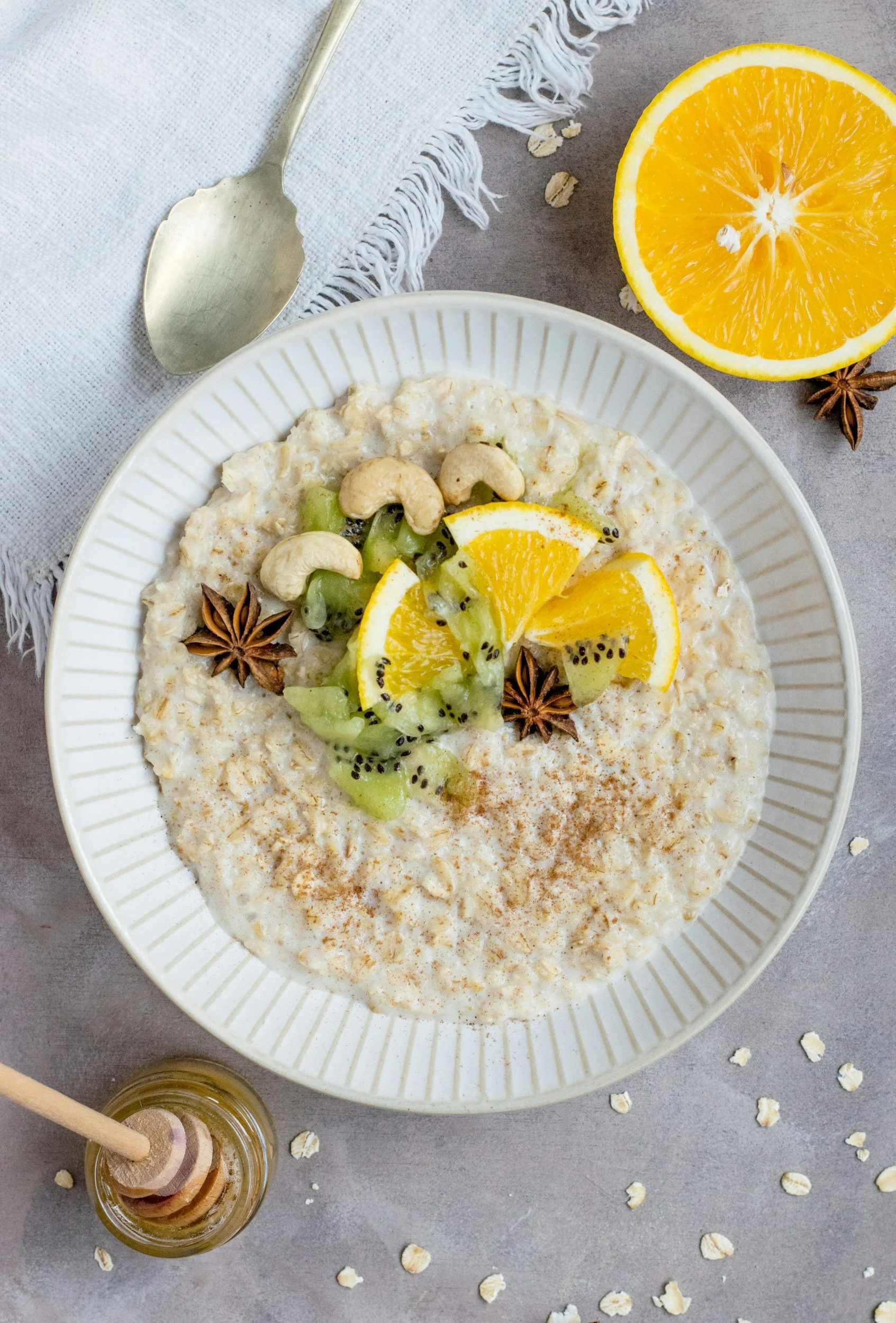
Here are winter-aligned changes that support gut health and overall energy:
Swap cold breakfasts for warm oats or eggs
Add one slow-cooked meal per day
Include one fermented food daily
Increase root veg to 5–7 servings per week
Reduce caffeine after midday
Create a calming evening routine
Get outside before 10am
Small shifts, big impact.
Final Thoughts: Winter as a Healing Season

Wintering isn’t about hiding — it’s about allowing.
When we honour winter in nature and in ourselves, digestion improves, mood lifts, and our overall resilience strengthens.
This winter, instead of forcing summer-level productivity, try meeting your body where it naturally is:
Slower.
Softer.
Smarter.
More intuitive.
More aligned with the season.
In that alignment comes the glow — inside and out.